Choosing the Right Silk Bedding: A Practical Guide to Mulberry Silk Sheets, Duvet Covers, and Pillowcases
Published September 30, 2026
Silk bedding long ago stopped being a mere indulgence and became a practical conversation about physiology, climate, and the quiet rituals of a well‑lived night. Among the various silks that populate the market, mulberry silk—the standard bearer of most premium ensembles—offers a distinctive blend of temperature regulation, softness, and durability. This guide invites you to understand the particulars of silk weights, weaves, and care, and to translate those facts into a harmonious, sleeping environment. We’ll compare brands, unpack what 19 momme really means, and offer buying tips that help you assemble a cohesive, long‑lasting sleep setup.
Why silk, and why mulberry silk in particular?
Silk is not just a fabric; it is a fiber with a history of intimate contact with the skin. Mulberry silk, produced from silkworms that feed exclusively on mulberry leaves, yields a fiber renowned for its uniformity, sheen, and resilience. The 19 momme weight you’ll frequently encounter in pillowcases and duvet covers is a practical benchmark: it signals a fabric dense enough to drape beautifully, yet light enough to remain breathable. In a climate that oscillates between cool evenings and warm nights, mulberry silk helps balance moisture and temperature, which can translate into fewer wakeups and deeper rest.
Understanding weights, textures, and drape
The weight of silk is a friendly guide to how a piece will feel and behave. In bedding, 19 momme is a common target for many components—pillowcases, duvet covers, and flat sheets—because it tends to offer a luxurious feel without becoming heavy or heat trapping. Heavier weights, such as 22 momme, provide additional durability and a substantial drape, which some sleepers may prefer for fitted sheets or duvet covers in cooler climates. Lighter weights, around 16 or 18 momme, preserve breathability and a lighter touch, often favored for summertime layers or for those who sleep particularly warm.
The weave matters as well. Silk bedding commonly features a smooth, tight weave that minimizes friction against skin and hair. This is where silk’s reputed benefits come into play: reduced surface friction can help prevent hair breakage and skin irritation, while the fabric’s natural thermoregulation properties help maintain a comfortable surface temperature through the night. When you look at a Silk Duvet Cover, Silk Flat Sheet, or Silk Pillowcase, you’re often witnessing a marriage of weight and weave designed to balance sheen, softness, and longevity.
Brand contrasts: Gingerlily, Mulberry West, and related collections
The modern silk bedding landscape is populated with brands that curate their offerings around colorways, motifs, and nuanced finishes. Gingerlily’s silk range, for example, emphasizes the refined, natural beauty of mulberry silk with a focus on durable finishes and careful care guidance. Their Fern Silk Duvet Cover, Fern Silk Pillowcover, and related pieces illustrate how silk can be presented with a quiet botanical elegance—an aesthetic that aligns with a nature‑forward, wellness‑minded bedroom. In contrast, other brands may foreground temperature management and clinical quality assurances, such as independent testing or detailed care instructions, which can be reassuring for meticulous buyers.
Across these brands, the practical common ground remains: silk’s intrinsic hypoallergenic properties, its capacity to regulate moisture, and its resistance to pilling when properly cared for. For readers of The New Yorker’s sensibility—curious, exacting, and attuned to material culture—the point is not just what a fabric feels like, but what living with it says about place, routine, and personal ritual.
Practical buying tips: coordinating sheets, pillowcases, and duvet covers
A cohesive sleep setup begins with a shared vocabulary of weight, weave, and color. Here are practical steps to assemble a silk bedding canopy that feels intentionally designed rather than serendipitous.
- Build around core pieces: a silk duvet cover, silk flat sheet or fitted sheet, and silk pillowcases. When possible, choose pieces that share the same momme weight and weave to maximize performance and aesthetics.
- Choose a color palette that evokes your bedroom’s mood. Soft neutrals—ivory, ashdown, and pale blues or greens—tend to create a serene canvas that complements natural textures and wood tones.
- Consider seasonality. For a west-coast or temperate climate, a 19 momme duvet cover with 19 momme pillowcases often provides a balanced, breathable feel. For cooler seasons or northern homes, layering a 22 momme silk fitted sheet with lighter duvet configurations can maintain warmth without sacrificing breathability.
- Pay attention to closures and care details. Envelope closures on pillowcases help keep pillows in place and maintain a tidy bed. Machine‑wash instructions that specify delicate cycles, cool water, and air drying preserve silk’s sheen and integrity.
- Assess care requirements. Silk loves gentle handling: low-temperature washing, mild detergents, and avoiding harsh solvents. Drying flat or line-drying is typically gentler than tumble drying, and ironing on a low setting can refresh fibers between washings.
A closer look at Gingerlily and Fern Silk collections
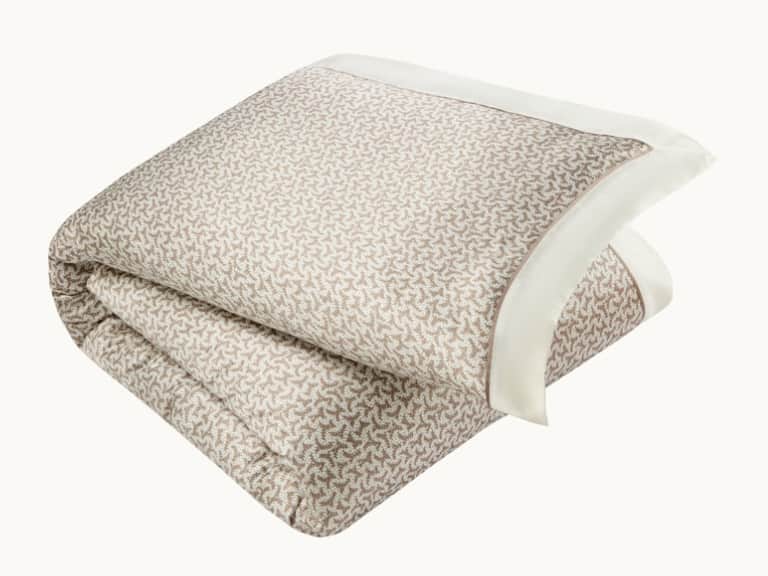
The Fern Silk Duvet Cover embodies silk’s drape and the quiet sheen that makes a bed feel almost architectural in its restraint. Its envelope closure is a practical detail that keeps the duvet aligned and the surface clean. The measuring stick here is longevity and ease of care; silk that’s cared for well will reward you with a palette of color that remains luminous over years, not seasons.
For pillowcases, a high momme count and a crisp weave translate into a surface that is simultaneously gentle on skin and hair and resilient to washing. A product like the Fern Silk Pillowcase, or similar Oxford-border designs, offers both a tactile experience and a styling potential that supports a calm, restful bedroom narrative.
Care as a design principle: preserving gloss and longevity
Silk thrives with discipline. Gentle washing, avoidance of high heat, and avoiding aggressive chemicals help preserve the fabric’s natural luster and smoothness. The care guidance that accompanies premium silk—such as washing at 30 degrees or cooler, air-drying, and light ironing—acts as a design principle for the bedroom: it prompts a ritual of maintenance that becomes part of one’s nightly routine. When you commit to consistent care, the silk bedding ceases to feel like a luxury and becomes a steady collaborator in your sleep.
A note on compatibility: building a complete sleep ecosystem
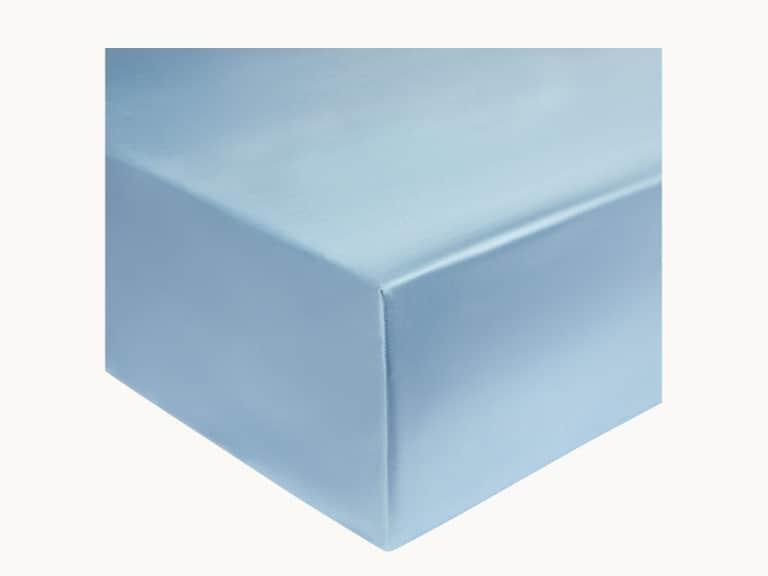
Silk bedding does not exist in isolation. It sits within a broader sleep ecosystem—mattresses, toppers, and the surrounding textiles of a room. The bedding’s tone, sheen, and weight should harmonize with the bed frame, the headboard’s texture, and the room’s lighting. If you choose a calm ivory silk duvet cover and matching pillowcases, you can layer in a soft ashdown or Summerhill Blue flat sheet to create a cohesive, layered aesthetic that remains soothing to the eye and kind to the senses.
A brief buying checklist
- Identify the essential pieces: duvet cover, pillowcases, and either a flat sheet or a fitted sheet in silk.
- Decide on the weight: 19 momme is a versatile baseline; gravitate to 22 momme if you seek greater durability or a more substantial drape.
- Choose a color story that complements your room’s palette and your lighting conditions.
- Confirm care guidelines: ensure you can meet the recommended washing temperature and drying method.
- Consider a cohesive set for a balanced, curated look—matching sets tend to maintain consistent feel and aging over time.
Shop note: respect for the craft behind the textiles
The silence of a well‑made bed often speaks to the craft behind it. Brands like Gingerlily and others in this domain invest in the careful selection of long‑staple mulberry silk, the precise weaving techniques that yield a lustrous yet practical surface, and the sustainable practices that govern production. The experience of sleeping on silk is not merely tactile; it is a kind of tactile architecture—an arrangement of weight, sheen, and temperature that makes a bedroom feel more tranquil, more present, and more alive to the rhythms of life.
Product highlight (relevant to this guide)
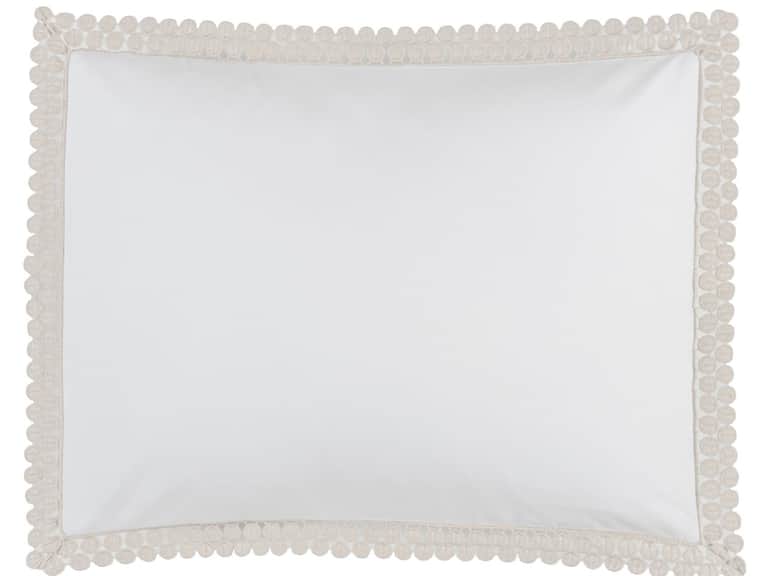
Among the available products, the BOVI Magnolia Pillowcases and Shams stand out for readers seeking a balanced, everyday luxury with a practical care profile. These pieces are made from 100% cotton percale with a crisp, breathable feel, featuring a distinctive border detail and a timeless color palette. While not silk, they illustrate the broader bedding ecosystem where cotton percale can pair with silk accessories for a layered, versatile look. For readers who want to stay within the silk family, Fern Silk Duvet Cover and Fern Silk Pillow Cover entries exemplify the high‑end, 19 momme silk construction that underpins luxurious sleep experiences.
Conclusion: making a thoughtful choice
The ultimate question when selecting silk bedding is not simply “What feels best on the skin?” but “What kind of sleep environment does this create for me?” Silk is a fabric that invites reflection: about temperature, moisture, and the quiet time the night affords us. By understanding momme weights, weave quality, and care requirements, you can curate a sleep ensemble that ages with grace and remains a comforting constant through the seasons. As with the best writing, the best bedding should feel inevitable once experienced—an interior seam that holds together a room’s larger narrative.
If you’d like, I can develop a 12‑week editorial calendar, a site structure outline, and starter briefs for the homepage and the first three article topics to align with mulberry-west.com’s Direction A identity.